Backup power, sized right

We earn a commission if you buy through our Amazon links. Read our affiliate disclosure.

Best power station for a refrigerator (2026)

PreppedPower Editorial Team How we review

Based on manufacturer specs and published third-party measurements. We earn a commission if you buy through our links. How we earn

The best portable power station for a refrigerator, including the new fridge backup batteries: three picks sized on daily kWh and compressor surge, maths shown.

On this page

Calculate runtime for your own appliance mix →

The short answer

Our pick at PreppedPower for keeping a refrigerator running in a power cut is the BLUETTI FridgePower. It is built to stand beside the fridge on wall power and switch to its battery in 10 ms or less, it stores 2016 Wh, and it expands to 8064 Wh with BlueCell 200 batteries when you want more. The Jackery FridgeGuard is the slimmest fridge battery here and suits an overnight outage or a smaller fridge. The EcoFlow DELTA 3 Max Plus stores about the same energy as the FridgePower with the most surge of the three, and it is the one to buy if you also want to carry it to a campsite or run other loads. The linked standalone FridgePower does not include the optional remote screen; check included accessories before ordering.

01

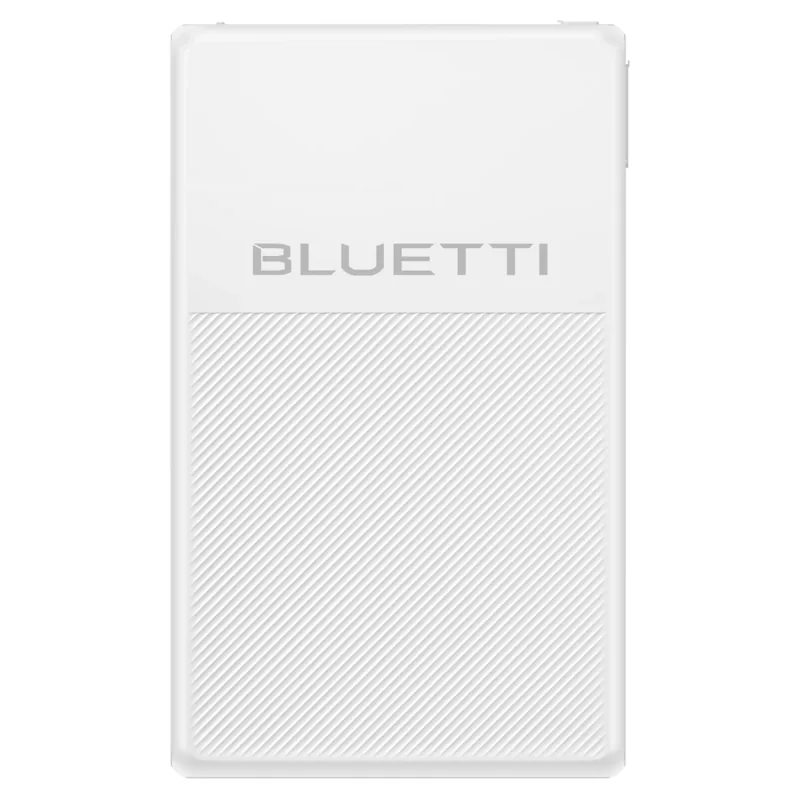
A fridge-side battery that stays plugged in and takes over in an outage

BLUETTI FridgePower

≈ 1.5 days at reference daily energy · calculated

02

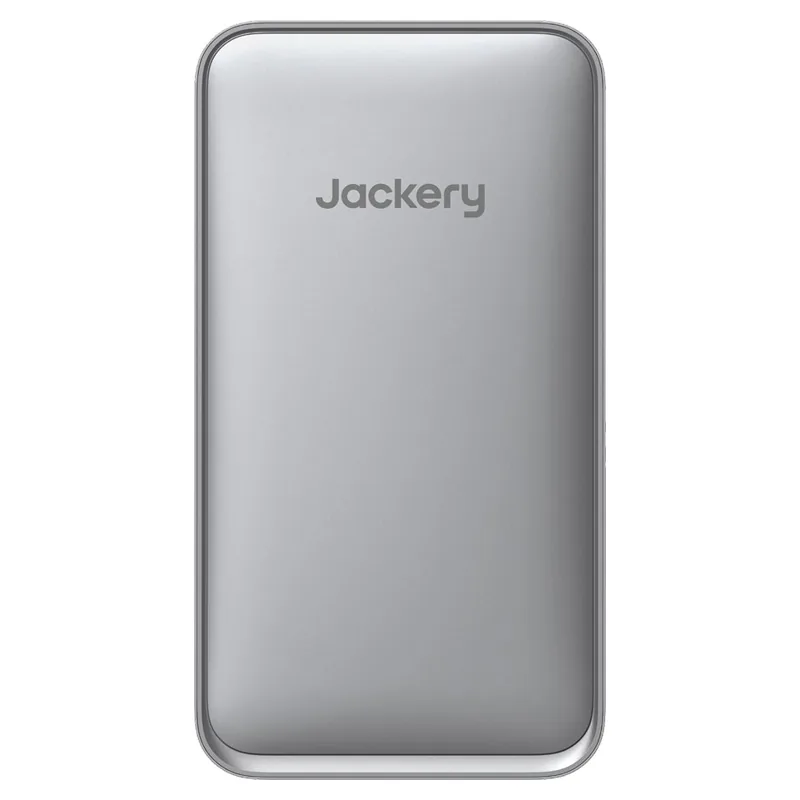
Tight kitchens and shorter outages: the slimmest unit here

Jackery FridgeGuard

≈ 0.8 days at reference daily energy · calculated

03

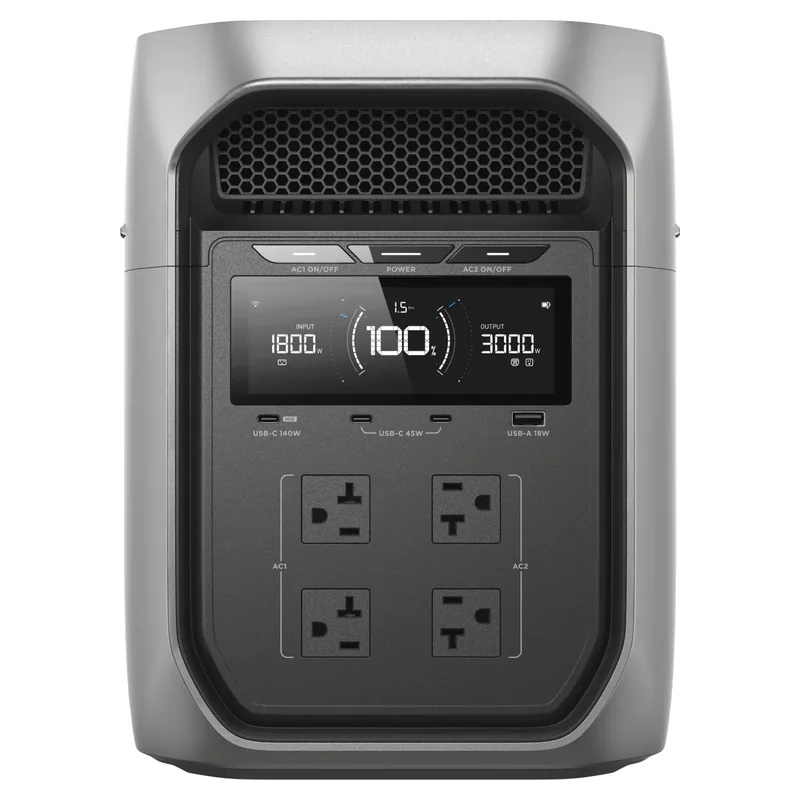
One station for the fridge in an outage and everything else the rest of the year

EcoFlow DELTA 3 Max Plus

≈ 1.6 days at reference daily energy · calculated

On sale: 39% off list priceUS$1,149

Amazon price as of · station only

Check price at Amazon →

We earn a commission if you buy through these links, at no extra cost to you. Spec scores use the published rubric; incomplete research is flagged beside each score.

What a refrigerator needs from a power station

One day of reference loads

≈ 1330 Wh

rated capacity · calculated

The reference loads use 1,123 Wh/day. At 85% usable energy, this requires about 1,322 Wh rated capacity per day, before solar. Standby draw and actual cycling can change this estimate. The running, starting and daily-energy figures are a scenario, listed with their sources under the modelling assumptions. The compressor cycles on and off, so it does not draw its running watts all day. For your own fridge's daily energy, take the kWh per year from its yellow EnergyGuide label and divide by the days in a year.

Reference loads

  • Full-size refrigerator: 400 W running ; 1,200 W starting ; 1,123 Wh/day; 120 V

400 W known simultaneous load; 1,123 Wh/day calculated using stated daily energy or 24 running hours per day.

Energy-only loads do not establish output compatibility. Check each motor's start demand; this model assumes one motor starts at a time.

The picks

Top pick ≈2 kWh
BLUETTI FridgePower

BLUETTI FridgePower

A fridge-side battery that stays plugged in and takes over in an outage

2,016 Wh rated storage · not measured usable energy

≈ 1.5 days at reference daily energy · calculated, 85% efficiency, before solar

Specs, strengths and research notes

Published specifications

2,016 Wh rated1,800 W continuousLFP120 V43.43 lb

Spec score: not yet

≈2 kWh · 23 catalogue models · 45% of weighted inputs available.

No points awarded for missing inputs: Energy per dollar; Battery cycle rating; Verified warranty terms; Dated recall research. This is incomplete research, not a safety finding.

Score calculation and limitations →

Recall research

No matching CPSC recall found; a search is not proof none exists. · checked

Pros
  • Runs the fridge from wall power and switches to battery in 10 ms or less, per Bluetti's manual
  • 3600 W surge, well above the starting figure we use for a fridge compressor
  • Expands to 8064 Wh with BlueCell 200 batteries
  • Bluetti lists a warranty of 5 years
Trade-offs
  • No USB or car outlets listed in its manual's spec table
  • At about 43.43 lb, it is built to stay beside the fridge, not to travel
  • Bluetti's product page names no safety certification
Check load compatibility before buying

Continuous load check
Known continuous load: 400 W against 1,800 W — within the published rating.

Surge check: within the published rating

1,200 W starting + 0 W other running loads, against 3,600 W surge. Boost modes do not count for motors. Check continuous output separately.

≈1 kWh
Jackery FridgeGuard

Jackery FridgeGuard

Tight kitchens and shorter outages: the slimmest unit here

1,024 Wh rated storage · not measured usable energy

≈ 0.8 days at reference daily energy · calculated, 85% efficiency, before solar

Specs, strengths and research notes

Published specifications

1,024 Wh rated800 W continuousLFPNot published23.2 lb

Spec score: not yet

≈1 kWh · 42 catalogue models · 47.5% of weighted inputs available.

No points awarded for missing inputs: Energy per dollar; 240 V output; AC charging; Verified warranty terms; Dated recall research. This is incomplete research, not a safety finding.

Score calculation and limitations →

Recall research

No matching CPSC recall found; a search is not proof none exists. · checked

Pros
  • The thinnest unit here, made to sit beside, behind or on top of the fridge
  • 10 ms UPS switchover, plus a Delay Start mode that waits before restarting the compressor
  • Jackery states a long cycle life for its LFP cells; see the table for the rating and its end point
  • A FridgeGuard Battery Pack expands it to 2048 Wh
Trade-offs
  • Half the capacity of the other two before you add the battery pack
  • 800 W continuous and a 1600 W peak that Jackery rates for one second, so it is for the fridge and little else
  • Solar charging needs Jackery's DC Input Module, sold separately
  • Jackery's full warranty term depends on buying from jackery.com
Check load compatibility before buying

Continuous load check
Known continuous load: 400 W against 800 W — within the published rating.

Surge check: within the published rating

1,200 W starting + 0 W other running loads, against 1,600 W surge. Boost modes do not count for motors. Check continuous output separately.

≈2 kWh
EcoFlow DELTA 3 Max Plus

EcoFlow DELTA 3 Max Plus

One station for the fridge in an outage and everything else the rest of the year

2,048 Wh rated storage · not measured usable energy

≈ 1.6 days at reference daily energy · calculated, 85% efficiency, before solar

On sale: 39% off list priceUS$1,149

Amazon price as of · station only

Specs, strengths and research notes

Published specifications

2,048 Wh rated3,000 W continuousLFP120 V48.7 lb

Spec score: not yet

≈2 kWh · 23 catalogue models · 75% of weighted inputs available.

No points awarded for missing inputs: Battery cycle rating; Verified warranty terms; Dated recall research. This is incomplete research, not a safety finding.

Price input: manufacturer list price, station only. Amazon prices never enter the score.

Score calculation and limitations →

Recall research

No matching CPSC station recall found; a search is not proof none exists. · checked

Pros
  • 6000 W surge and 3000 W continuous, the most of these three
  • 4 AC outlets and up to 1000 W of solar input
  • Expands to 10000 Wh with EcoFlow extra batteries
  • UPS switchover of 10 ms, per EcoFlow
Trade-offs
  • EcoFlow publishes no cycle count for it, only a lifespan in years
  • The five-year warranty is three years plus two once you register it in the EcoFlow app
  • The heaviest of the three, at about 48.7 lb
Check load compatibility before buying

Continuous load check
Known continuous load: 400 W against 3,000 W — within the published rating.

Surge check: within the published rating

1,200 W starting + 0 W other running loads, against 6,000 W surge. Boost modes do not count for motors. Check continuous output separately.

Side by side

Core specs· published specs; runtimes calculated
Core specs BLUETTI FridgePowerJackery FridgeGuardEcoFlow DELTA 3 Max Plus
Outlets / home integration TT-30: Not published; L14-30: Not published; No home integration listed TT-30: Not published; L14-30: Not published; No home integration listed TT-30: Not published; L14-30: Not published; No home integration listed
240 V output No 240 V output listed No 240 V output listed No 240 V output listed
Reference daily energy coverage CALC ≈ 1.5 days (85% efficiency; no solar) ≈ 0.8 days (85% efficiency; no solar) ≈ 1.6 days (85% efficiency; no solar)
Rated capacity 2,016 Wh 1,024 Wh 2,048 Wh
Continuous AC output 1,800 W 800 W 3,000 W
Surge 3,600 W 1,600 W 6,000 W
Voltage 120 V Not published 120 V
UPS switchover 10 ms 10 ms 10 ms
Weight 43.43 lb 23.2 lb 48.7 lb
Cycle rating Not published 6,000 to 70% Not published
Price · station only

US$0.47 per rated Wh · CALC

Check price at Amazon →

US$0.77 per rated Wh · CALC

Check price at Amazon →
On sale: 39% off list priceUS$1,149

Amazon price as of · station only

US$0.56 per rated Wh · CALC

Check price at Amazon →
Full specifications, measurements and source details
Core specs
Specification BLUETTI FridgePowerJackery FridgeGuardEcoFlow DELTA 3 Max Plus
Measured usable energy Not published Not published Not published
Outlets / home integration TT-30: Not published; L14-30: Not published; No home integration listed
BRAND
TT-30: Not published; L14-30: Not published; No home integration listed
BRAND
TT-30: Not published; L14-30: Not published; No home integration listed
BRAND
240 V output No 240 V output listed
BRAND
No 240 V output listed
BRAND
No 240 V output listed
BRAND
Reference daily energy coverage ≈ 1.5 days (85% efficiency; no solar)
CALC
≈ 0.8 days (85% efficiency; no solar)
CALC
≈ 1.6 days (85% efficiency; no solar)
CALC
Rated capacity 2,016 Wh
BRAND
1,024 Wh
BRAND
2,048 Wh
BRAND
Continuous AC output 1,800 W
BRAND
800 W
BRAND
3,000 W
BRAND
Surge 3,600 W
BRAND
1,600 W
BRAND
6,000 W
BRAND
Voltage 120 V
BRAND
Not published
BRAND
120 V
BRAND
UPS switchover 10 ms
BRAND
10 ms
BRAND
10 ms
BRAND
Weight 43.43 lb
BRAND
23.2 lb
BRAND
48.7 lb
BRAND
Cycle rating Not published
BRAND
6,000 to 70%
BRAND
Not published
BRAND
Surge conditions Not publishedNot publishedAC Output 120V~60Hz 3000W total (surge 6000W), 20A(x4) Max per port
Voltage conditions Not publishedNot publishedNot published
Switchover conditions Not publishedNot publishedNot published
Cycle-rating conditions Not publishedNot publishedNot published
Solar input conditions Not publishedNot publishedMaximum PV Input Power(W) 1000W
Price · station only

US$0.47 per rated Wh · CALC

Check price at Amazon →

US$0.77 per rated Wh · CALC

Check price at Amazon →
On sale: 39% off list priceUS$1,149

Amazon price as of · station only

US$0.56 per rated Wh · CALC

Check price at Amazon →

The maths, shown

Every runtime here is calculated from rated capacity. Here is the first pick, step by step.

2,016 Wh rated × 0.85 ÷ 1,123 Wh/day = ≈ 1.5 days calculated coverage, before solar.

Daily energy uses each explicit dailyWh, otherwise runningW × 24 hours/day. Output and surge checks use running watts separately.

Before you buy

A refrigerator plugs into a standard household outlet, so it plugs straight into any of these three; that part needs no electrician. Feeding your home's circuits from a station is different: it goes through a power inlet with an interlock, or a listed transfer switch, fitted by a licensed electrician. Never backfeed a house through a wall outlet.

Read our connection and power-station safety guidance before connecting home circuits.

Questions

Can a portable power station run a refrigerator?

Yes, if it passes two separate checks. Its surge rating has to cover the compressor's start, which we take from the top of Champion Power Equipment's wattage chart for a refrigerator. Its capacity has to cover the energy the fridge uses while the power is out, which you can read from the fridge's EnergyGuide label. All three picks here pass the surge check on our reference figures.

How long will a power station run a refrigerator?

Divide the station's rated capacity by your fridge's daily use, after allowing for inverter losses; the runtime row in the table does this for our reference fridge. These figures are calculated, not measured. A small, cycling load like a fridge tends to get less out of a station than a steady one, because the inverter's own draw is a bigger share of it.

What size power station do I need for a refrigerator?

Find the kWh per year on your fridge's yellow EnergyGuide label and divide by the days in a year for its daily use. Allow for inverter losses on top of that to get the rated capacity you need per day of outage, or put the figures into our runtime calculator. Then check that the station's surge rating is above your compressor's starting watts.

What is a fridge backup battery, and how is it different from a power station?

It is a slim battery and inverter made to live beside the fridge. The fridge stays plugged into it all the time, it passes wall power through while the grid is up, and it switches to battery within about 10 ms when the grid drops, so nobody has to plug anything in during the night. The trade is fewer outlets and less portability than a general power station. The BLUETTI FridgePower and Jackery FridgeGuard on this page are both this type; the EcoFlow DELTA 3 Max Plus is a general power station that can do the same job.

Can I run a chest freezer as well as the fridge?

Add the two. Champion's chart lists a freezer's running and starting watts separately from a fridge's, so plan on your freezer's EnergyGuide figure for daily energy, and make sure the station's continuous rating covers both running at once. The Jackery FridgeGuard's 800 W continuous output leaves little room for a second appliance; the other two have far more headroom.

Do boost modes like Power Lifting help a fridge start?

No. Power Lifting and similar modes run heating appliances above the rated output by lowering the voltage. A compressor needs real surge, so judge a station on the Surge row in the table, not its boost figure.

Is it safe to keep a power station next to the fridge?

A battery station has no exhaust, so unlike a gas generator it can sit indoors. Leave the ventilation space its manual asks for, keep it dry, and keep it within its charging temperature range, which Bluetti lists in the FridgePower manual. A gas generator never goes indoors or in an attached garage.

Sources

Specifications are manufacturer claims unless another source type is shown. Any Amazon price shows the time we checked it.