Specs sourced · prices dated

Best power station for CPAP (2026)

PreppedPower Editorial Team · · How we rate

Based on manufacturer specs and published third-party measurements.

We earn a commission if you buy through our links. How we earn

The short answer

Our pick at PreppedPower for running a CPAP through an outage is the Anker SOLIX C1000 Gen 2: it combines 1,024 Wh with a published 10 ms switchover. Its ≈ 15.8 h calculated runtime is slightly short of two full eight-hour nights. The Jackery is lighter; the Bluetti holds more energy. Confirm compatibility with your CPAP maker before choosing.

01

10 ms published switchover at 24.9 lb

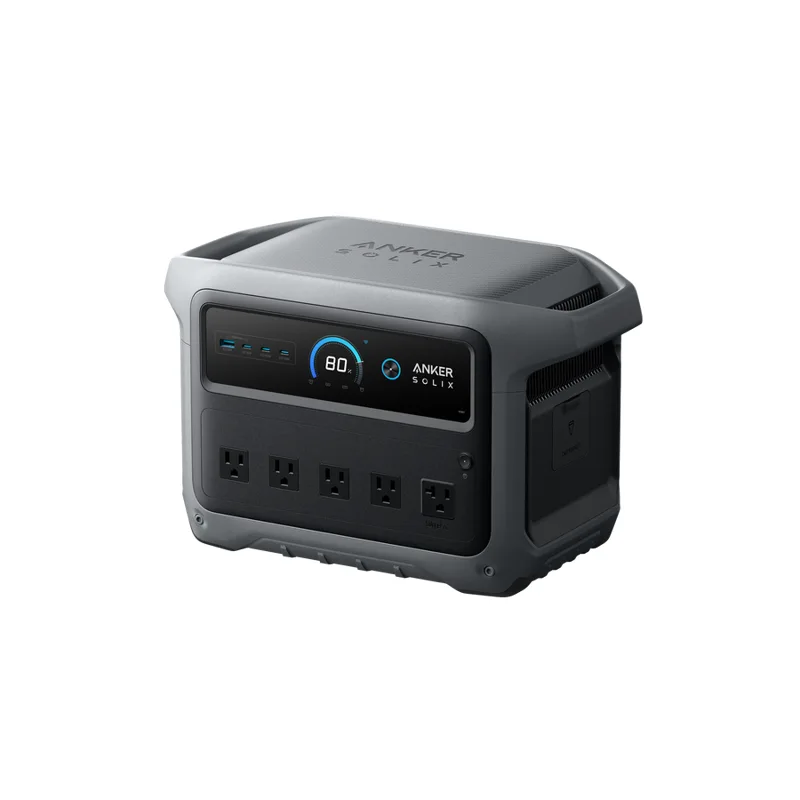
Anker SOLIX C1000 Gen 2

≈ 15.8 h · calculated

$699.99

Amazon · as of · station only

Check price at Amazon →
02

23.8 lb, the lightest of these three

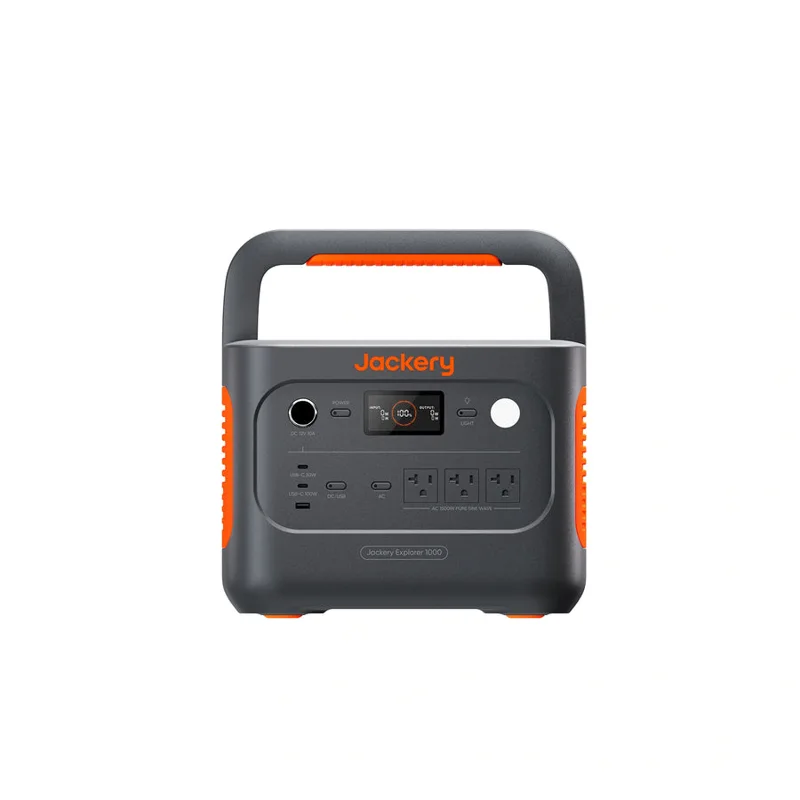
Jackery Explorer 1000 v2

≈ 16.5 h · calculated

$499

Amazon · as of · station only

Check price at Amazon →
03

1,152 Wh, the most capacity here

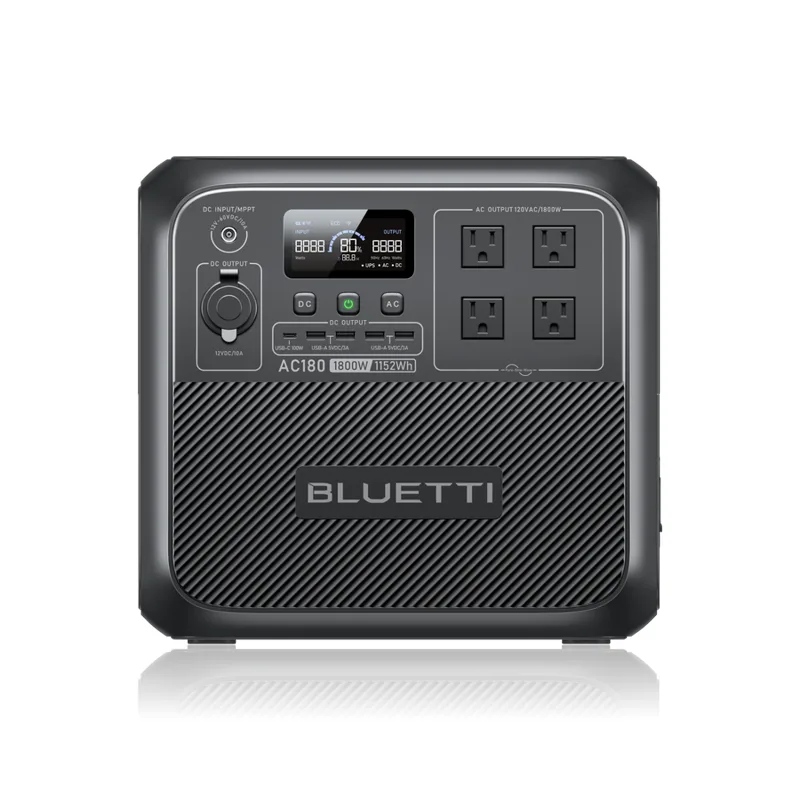
BLUETTI AC180

≈ 17.8 h · calculated

$499

Amazon · as of · station only

Check price at Amazon →

We earn a commission if you buy through these links, at no extra cost to you. Spec scores use the published rubric; incomplete research is flagged beside each score.

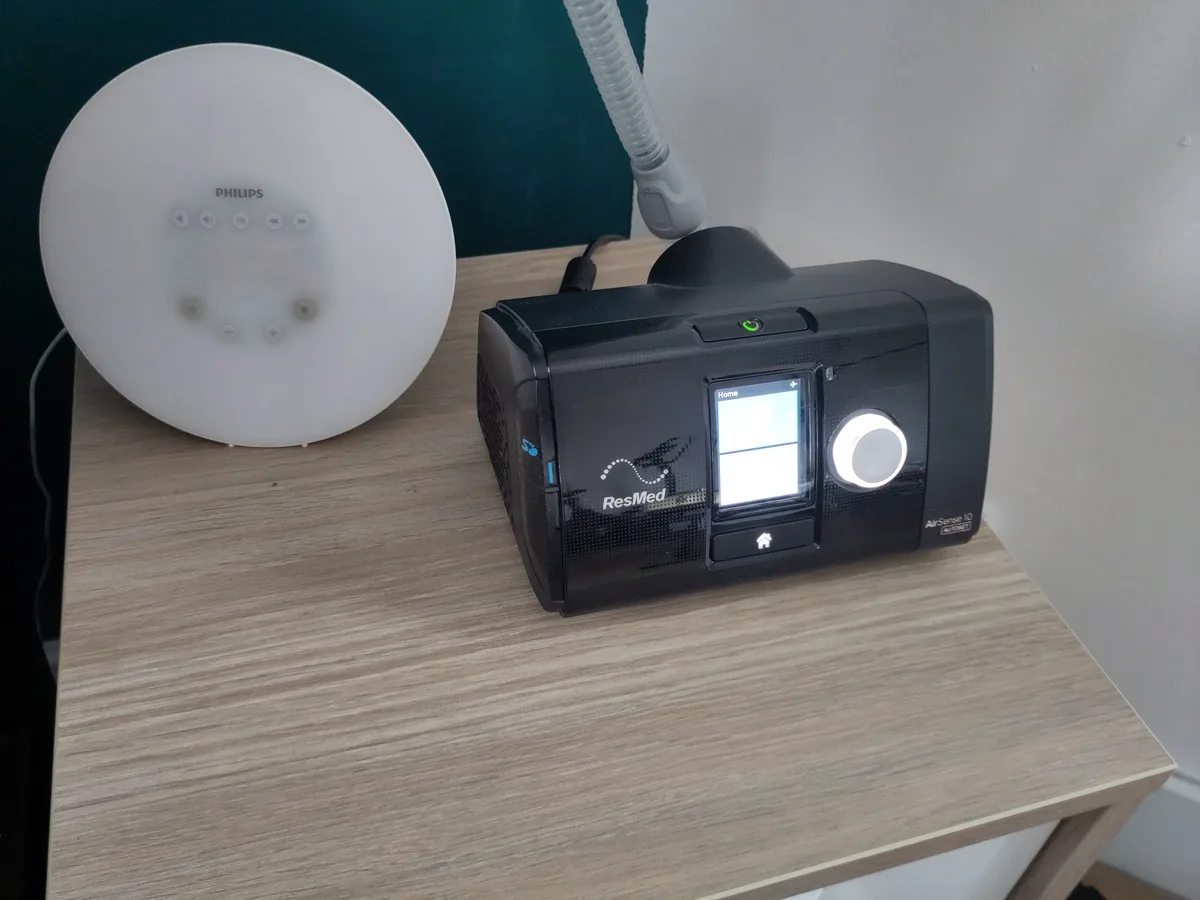
CPAP machine and hose on a bedside table

What CPAP needs from a power station

One 8-hour period

≈ 520 Wh

rated capacity · calculated

A reference CPAP load of 40 W, plus 15 W inverter idle, uses 440 Wh over 8 hours. Heated humidifier off. Allowing for conversion losses gives the rated capacity on the left.

Your machine and settings may draw more. Use its documentation or a power meter, and check its approved battery and adapter options. Runtime is an estimate, not a medical backup guarantee.

The three picks

Top pick ≈1 kWh
Anker SOLIX C1000 Gen 2

Best for · 10 ms published switchover at 24.9 lb

Anker SOLIX C1000 Gen 2

Spec score: 6.2 / 10 · provisional

≈1 kWh · 40 catalogue models · 95% of weighted inputs available.

No points awarded for missing inputs: Dated recall research. This is incomplete research, not a safety finding.

Price input: Amazon, station only, checked Oct 14, 2026.

Score calculation and limitations →
1,024 Wh rated2,000 W continuousLFP120 V24.9 lb
CPAP + 15 W inverter idle: ≈ 15.8 h · calculated

Recall status: not checked yet. Check the CPSC database before buying.

$699.99

Amazon · as of · station only

Check price at Amazon →
Pros
  • 1,024 Wh at 24.9 lb
  • 4,000 cycles to 80%
Trade-offs
  • Medical-device compatibility must be checked
  • No verified safety listing in our catalogue
The shortlist ≈1 kWh
Jackery Explorer 1000 v2

Best for · 23.8 lb, the lightest of these three

Jackery Explorer 1000 v2

Spec score: 5.0 / 10 · provisional

≈1 kWh · 40 catalogue models · 82.5% of weighted inputs available.

No points awarded for missing inputs: AC charging; Verified warranty terms; Dated recall research. This is incomplete research, not a safety finding.

Price input: Amazon, station only, checked Oct 14, 2026.

Score calculation and limitations →
1,070 Wh rated1,500 W continuousLFP120 V23.8 lb
CPAP + 15 W inverter idle: ≈ 16.5 h · calculated

Recall status: not checked yet. Check the CPSC database before buying.

$499

Amazon · as of · station only

Check price at Amazon →
Pros
  • ≈ 16.5 h calculated at the reference load
  • 1,070 Wh rated capacity
Trade-offs
  • 20 ms published switchover
  • Cycles rated to 70% remaining capacity
The shortlist ≈1 kWh
BLUETTI AC180

Best for · 1,152 Wh, the most capacity here

BLUETTI AC180

Spec score: 6.3 / 10 · provisional

≈1 kWh · 40 catalogue models · 90% of weighted inputs available.

No points awarded for missing inputs: Verified warranty terms; Dated recall research. This is incomplete research, not a safety finding.

Price input: Amazon, station only, checked Oct 14, 2026.

Score calculation and limitations →
1,152 Wh rated1,800 W continuousLFP120 V35.27 lb
CPAP + 15 W inverter idle: ≈ 17.8 h · calculated

Recall status: not checked yet. Check the CPSC database before buying.

$499

Amazon · as of · station only

Check price at Amazon →
Pros
  • ≈ 17.8 h calculated at the reference load
  • 3,500 cycles to 80%
Trade-offs
  • 35.27 lb to move
  • 20 ms published switchover

Side by side

Core specs
Specification Anker SOLIX C1000 Gen 2Jackery Explorer 1000 v2BLUETTI AC180
Rated capacity 1,024 Wh
BRAND
1,070 Wh
BRAND
1,152 Wh
BRAND
Measured usable energy Not published
BRAND
Not published
BRAND
Not published
BRAND
Continuous AC output 2,000 W
BRAND
1,500 W
BRAND
1,800 W
BRAND
Surge 3,000 W
BRAND
3,000 W
BRAND
2,700 W
BRAND
Voltage 120 V
BRAND
120 V
BRAND
120 V
BRAND
UPS switchover 10 ms
BRAND
20 ms
BRAND
20 ms
BRAND
Weight 24.9 lb
BRAND
23.8 lb
BRAND
35.27 lb
BRAND
Cycle rating 4,000 to 80%
BRAND
4,000 to 70%
BRAND
3,500 to 80%
BRAND
CPAP + idle, 55 W ≈ 15.8 h · calculated
CALC
≈ 16.5 h · calculated
CALC
≈ 17.8 h · calculated
CALC
Price · station only
$699.99

Amazon · as of · station only

$0.68 per rated Wh · CALC · Amazon · Oct 14, 2026 · station only

Check price at Amazon →
$499

Amazon · as of · station only

$0.47 per rated Wh · CALC · Amazon · Oct 14, 2026 · station only

Check price at Amazon →
$499

Amazon · as of · station only

$0.43 per rated Wh · CALC · Amazon · Oct 14, 2026 · station only

Check price at Amazon →

The maths, shown

Every runtime here is calculated from rated capacity. Here is the first pick, step by step.

1. Start with rated capacity. 1,024 Wh
2. Allow for conversion losses. × 0.85 = 870 Wh
3. Add the load and inverter idle draw. 40 + 15 = 55 W
4. Divide usable estimate by total load. ≈ 15.8 h · calculated

An estimate from rated capacity, not a measured runtime. Temperature, battery age, settings and the real load change the result.

Before you buy

DC operation avoids inverter idle consumption in our model. Use only a compatible adapter specified for your machine. Keep the station within its published charging temperature range.

Questions

How long will a station in this size tier run a CPAP?

At our reference 40 W load with 15 W AC idle, the SOLIX C1000 Gen 2 calculates to about 15.8 hours. A humidifier, temperature changes and battery age change that result.

How much battery does a CPAP need for one night?

About 520 Wh of rated capacity for eight hours at our 40 W reference with the heated humidifier off, once inverter idle and conversion losses are counted. Champion Power Equipment's wattage chart puts a CPAP at 30 to 60 W without heat and 60 to 120 W with the heated humidifier on. At those heated figures, one night needs roughly 710 to 1280 Wh. Your machine's power supply label and settings decide where you fall.

Can I use the DC port?

Check your CPAP manufacturer’s approved adapter and voltage requirements. Our DC estimate removes AC inverter idle; it does not establish adapter compatibility.

Is a fast switchover enough?

No. Confirm compatibility and backup arrangements with the CPAP manufacturer. A published switchover specification is not a guarantee that a particular medical device will keep operating.

Are these runtimes measured?

No. They are calculated from rated capacity, based on manufacturer specs and published third-party measurements of how much of that capacity reaches the outlet. In independent load-bank tests, OutdoorGearLab found stations delivered 75 to 93 percent of their rated capacity as AC power, and small overnight loads like a CPAP sit at the low end because inverter idle draw takes a bigger share.

Can I take one of these power stations on a plane for my CPAP?

No. The FAA allows spare lithium batteries up to 100 Wh in carry-on bags, and 101 to 160 Wh only with airline approval. Every station on this page is far above that. For travel, use a battery your CPAP manufacturer approves for flying.

Sources

Specifications are manufacturer claims unless another source type is shown. Price dates appear beside each price.