Specs sourced · prices dated

Best power station for a gas furnace (2026)

The best portable power station for a gas furnace in an outage: three picks sized on blower watts and start-up surge, with the runtime maths and safe hookups.

PreppedPower Editorial Team · · How we rate

Based on manufacturer specs and published third-party measurements.

We earn a commission if you buy through our links. How we earn

The short answer

Our pick at PreppedPower for keeping a gas furnace running in a power cut is the Jackery HomePower 3000. It has the start-up surge headroom a blower motor needs, and Jackery sells a manual transfer switch for connecting it to your home circuits. The Anker SOLIX C2000 Gen 2 is the smaller station you can add a battery to later, and the EcoFlow DELTA 3 Ultra Plus expands furthest for long outages. A gas furnace still needs 120 V power for its blower and controls, and any connection to it is a job for a licensed electrician.

01

Most furnace runtime from one box, with the brand's own transfer switch

Jackery HomePower 3000

≈ 5.2 h · calculated

$1,349

Amazon · as of · station only

Check price at Amazon →
02

Starting smaller and adding a battery before the next winter

Anker SOLIX C2000 Gen 2

≈ 3.5 h · calculated

$999.99

Amazon · as of · station only

Check price at Amazon →
03

Long outages: expands furthest with EcoFlow extra batteries

EcoFlow DELTA 3 Ultra Plus

≈ 5.2 h · calculated

$1,599

Amazon · as of · station only

Check price at Amazon →

We earn a commission if you buy through these links, at no extra cost to you. Spec scores use the published rubric; incomplete research is flagged beside each score.

What furnace blower needs from a power station

One 8-hour period

≈ 4710 Wh

rated capacity · calculated

A reference furnace blower load of 500 W, plus 0 W inverter idle, uses 4000 Wh over 8 hours. That assumes the blower runs for the whole period. A real furnace cycles with its burner, so it runs longer on a mild night and close to this figure on a very cold one. Read the blower motor's nameplate for its actual draw. Allowing for conversion losses gives the rated capacity on the left.

Your machine and settings may draw more. Use its documentation or a power meter, and check its approved battery and adapter options. Runtime is an estimate, not a medical backup guarantee.

The three picks

Top pick 3–5 kWh
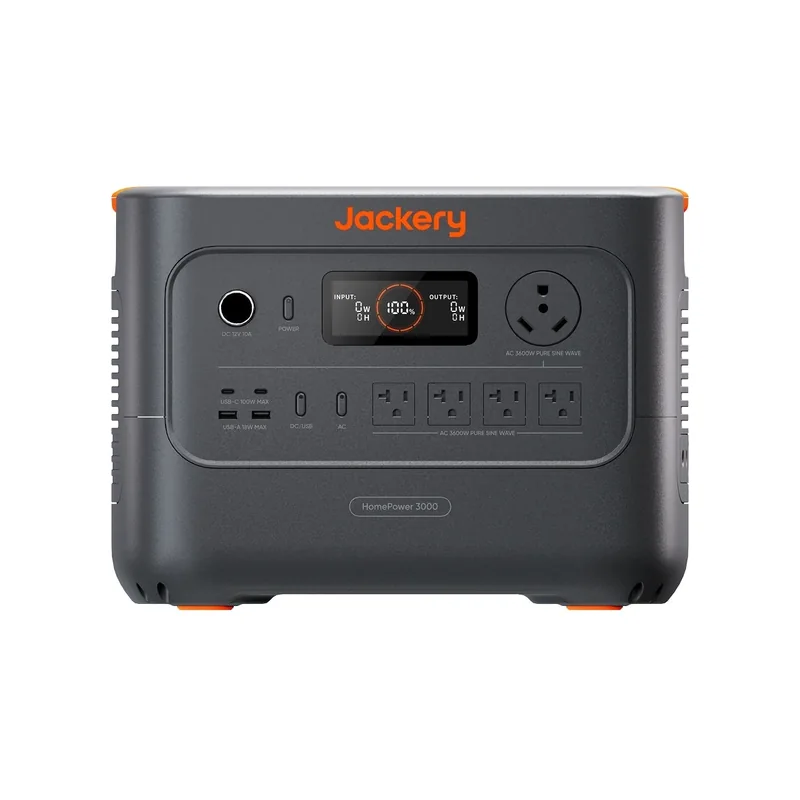
Jackery HomePower 3000

Best for · Most furnace runtime from one box, with the brand's own transfer switch

Jackery HomePower 3000

Spec score: 5.0 / 10 · provisional

3–5 kWh · 20 catalogue models · 82.5% of weighted inputs available.

No points awarded for missing inputs: AC charging; Verified warranty terms; Dated recall research. This is incomplete research, not a safety finding.

Price input: Amazon, station only, checked Oct 14, 2026.

Score calculation and limitations →
3,072 Wh rated3,600 W continuousLFP120 V59.52 lb
furnace blower : ≈ 5.2 h · calculated

Recall status: not checked yet. Check the CPSC database before buying.

$1,349

Amazon · as of · station only

Check price at Amazon →
Pros
  • Jackery sells a manual transfer switch for it
  • Surge rating well above a typical blower's start-up draw
  • No add-on batteries needed to reach this capacity
Trade-offs
  • Not expandable: Jackery points buyers who want expansion to other models
  • Cycles are rated to a lower remaining capacity than many rivals
The shortlist ≈2 kWh
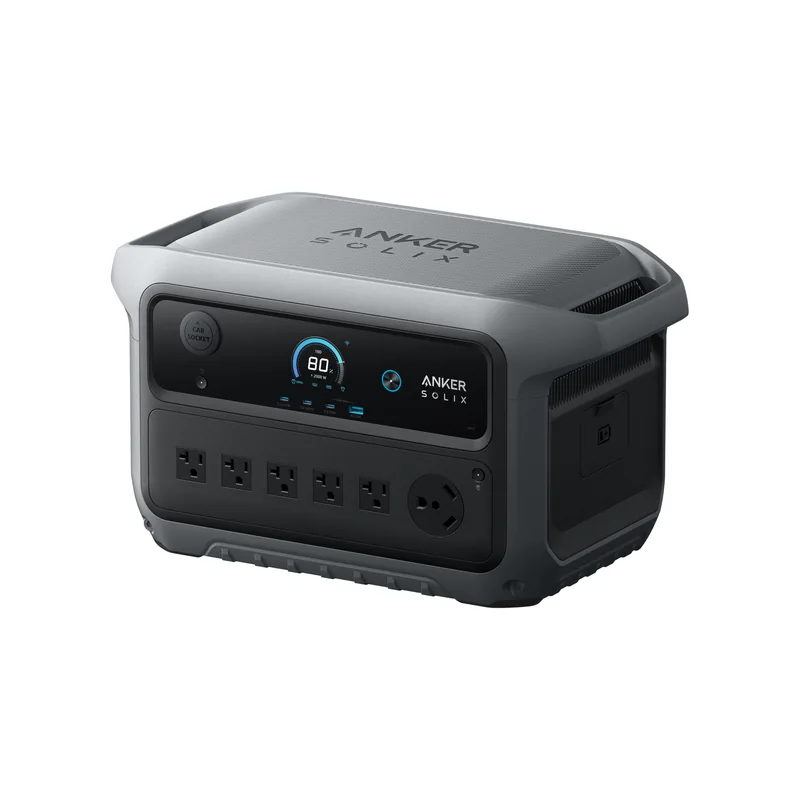
Anker SOLIX C2000 Gen 2

Best for · Starting smaller and adding a battery before the next winter

Anker SOLIX C2000 Gen 2

Spec score: 5.3 / 10 · provisional

≈2 kWh · 22 catalogue models · 90% of weighted inputs available.

No points awarded for missing inputs: Verified warranty terms; Dated recall research. This is incomplete research, not a safety finding.

Price input: Amazon, station only, checked Oct 14, 2026.

Score calculation and limitations →
2,048 Wh rated2,400 W continuousLFP120 V41.7 lb
furnace blower : ≈ 3.5 h · calculated

Recall status: not checked yet. Check the CPSC database before buying.

$999.99

Amazon · as of · station only

Check price at Amazon →
Pros
  • Takes Anker's BP2000 expansion battery
  • Anker lists a bi-directional inlet box for home connection
  • The lightest of these three to move
Trade-offs
  • Shortest calculated blower runtime of the three without the expansion battery
  • The expansion battery is sold separately
The shortlist 3–5 kWh
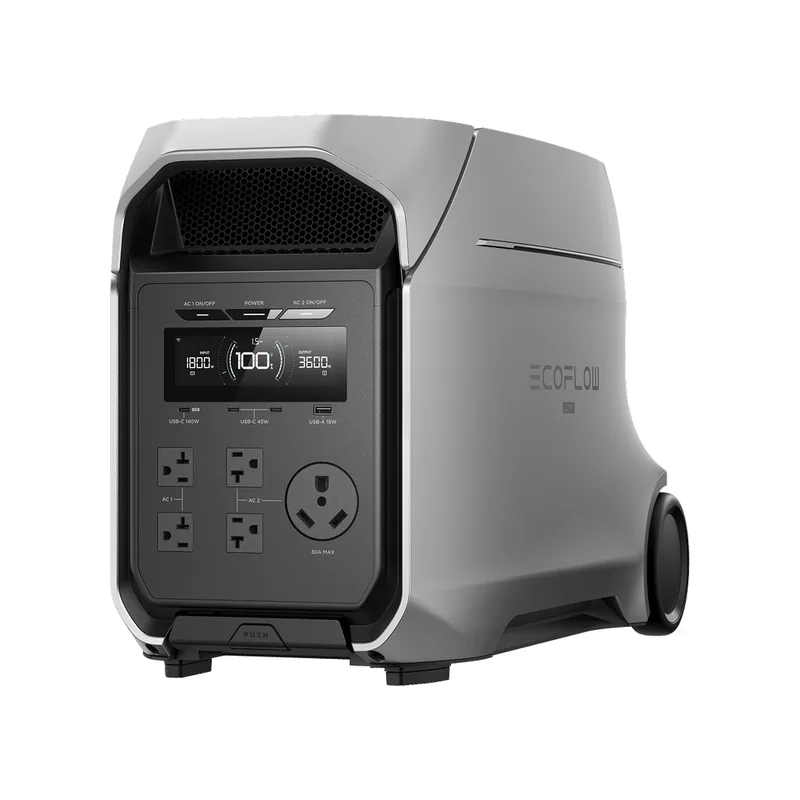
EcoFlow DELTA 3 Ultra Plus

Best for · Long outages: expands furthest with EcoFlow extra batteries

EcoFlow DELTA 3 Ultra Plus

Spec score: not yet

3–5 kWh · 20 catalogue models · 75% of weighted inputs available.

No points awarded for missing inputs: Battery cycle rating; Verified warranty terms; Dated recall research. This is incomplete research, not a safety finding.

Price input: Amazon, station only, checked Oct 14, 2026.

Score calculation and limitations →
3,072 Wh rated3,600 W continuousLFP120 V74.3 lb
furnace blower : ≈ 5.2 h · calculated

Recall status: not checked yet. Check the CPSC database before buying.

$1,599

Amazon · as of · station only

Check price at Amazon →
Pros
  • Accepts EcoFlow's DELTA 3 Max Plus and DELTA Pro 3 extra batteries
  • EcoFlow lists an inlet box and a manual transfer switch for it
  • Highest published solar input of these three
Trade-offs
  • Expansion needs an adapter as well as the extra batteries
  • Cycle count not published; EcoFlow quotes a lifespan in years instead

Side by side

Core specs
Specification Jackery HomePower 3000Anker SOLIX C2000 Gen 2EcoFlow DELTA 3 Ultra Plus
Rated capacity 3,072 Wh
BRAND
2,048 Wh
BRAND
3,072 Wh
BRAND
Measured usable energy Not published
BRAND
Not published
BRAND
Not published
BRAND
Continuous AC output 3,600 W
BRAND
2,400 W
BRAND
3,600 W
BRAND
Surge 7,200 W
BRAND
4,000 W
BRAND
7,200 W
BRAND
Voltage 120 V
BRAND
120 V
BRAND
120 V
BRAND
UPS switchover 20 ms
BRAND
10 ms
BRAND
10 ms
BRAND
Weight 59.52 lb
BRAND
41.7 lb
BRAND
74.3 lb
BRAND
Cycle rating 4,000 to 70%
BRAND
4,000 to 80%
BRAND
Not published
BRAND
furnace blower + idle, 500 W ≈ 5.2 h · calculated
CALC
≈ 3.5 h · calculated
CALC
≈ 5.2 h · calculated
CALC
Price · station only
$1,349

Amazon · as of · station only

$0.44 per rated Wh · CALC · Amazon · Oct 14, 2026 · station only

Check price at Amazon →
$999.99

Amazon · as of · station only

$0.49 per rated Wh · CALC · Amazon · Oct 14, 2026 · station only

Check price at Amazon →
$1,599

Amazon · as of · station only

$0.52 per rated Wh · CALC · Amazon · Oct 14, 2026 · station only

Check price at Amazon →

The maths, shown

Every runtime here is calculated from rated capacity. Here is the first pick, step by step.

1. Start with rated capacity. 3,072 Wh
2. Allow for conversion losses. × 0.85 = 2,611 Wh
3. Add the load and inverter idle draw. 500 + 0 = 500 W
4. Divide usable estimate by total load. ≈ 5.2 h · calculated

An estimate from rated capacity, not a measured runtime. Temperature, battery age, settings and the real load change the result.

Before you buy

DC operation avoids inverter idle consumption in our model. Use only a compatible adapter specified for your machine. Keep the station within its published charging temperature range.

Questions

Can a portable power station run a gas furnace?

Yes, for the parts that need electricity. The gas does the heating, but the blower motor and controls run on 120 V, which is why a gas furnace stops in a power cut. Champion Power Equipment's wattage chart puts a 1/2 hp furnace fan at 300 to 800 W running and 800 to 1,600 W at start-up. Read your blower's nameplate for its real figure.

How long will a power station run my furnace?

The runtimes on this page assume the blower runs nonstop at a 500 W reference load, so they are the short end. A furnace cycles on and off with the thermostat, so on most nights the station lasts longer. These figures are calculated from rated capacity, not measured. In independent load-bank tests, OutdoorGearLab found stations delivered 75 to 93 percent of their rated capacity as AC power.

How much surge does a furnace blower need?

The station's surge rating has to cover the blower's starting watts plus everything else running at that moment. Compare the Surge row in the table with your blower's start-up figure. Boost modes such as X-Boost, SurgePad and Power Lifting lower the voltage for heating appliances and do not help a motor start.

How do I connect a power station to my furnace?

Most gas furnaces are hard-wired, so there is nothing to plug in. The recognised routes are a power inlet on the outside wall with an interlock on your main panel, or a listed manual transfer switch that feeds selected circuits. Both are installed by a licensed electrician, and your local building department can tell you whether a permit is needed. Never backfeed a house through a wall outlet; our Safety page explains why.

Do I need a 240 V station for a gas furnace?

No. A gas furnace's blower and controls run at 120 V, which every station on this page supplies. Electric furnaces and heat pumps are different loads, often at 240 V and far higher wattage, and this page does not size them.

Can I keep the power station indoors next to the furnace?

A battery power station has no exhaust, unlike a gas generator, so it can sit indoors. Keep it dry, clear of the furnace's flue and within the charging and operating temperatures in its manual. A gas generator never goes indoors or in an attached garage.

Sources

Specifications are manufacturer claims unless another source type is shown. Price dates appear beside each price.